ENDANGERED LANGUAGE
Helping communities whose languages are becoming endangered: Methods and Projects
-
What does it mean, this term: “Endangered Languages”? For over forty years we have explored ways to use video/feedback in communities concerned about the status of their culture and language. We found that communities labeled as having an “endangered language” were actually undergoing or had experienced accelerated outsider imposed changes that were fragmenting their communities.
-
Outside experts, like educators and linguists, were only treating symptoms of deeper change. Communal language loss is not “the problem”; it is a symptom of a far greater problem stemming from economic and geo-political policies have been targeting and overwhelming indigenous communities. By working with language advocates from the community, we have developed a hybrid methodology that includes:
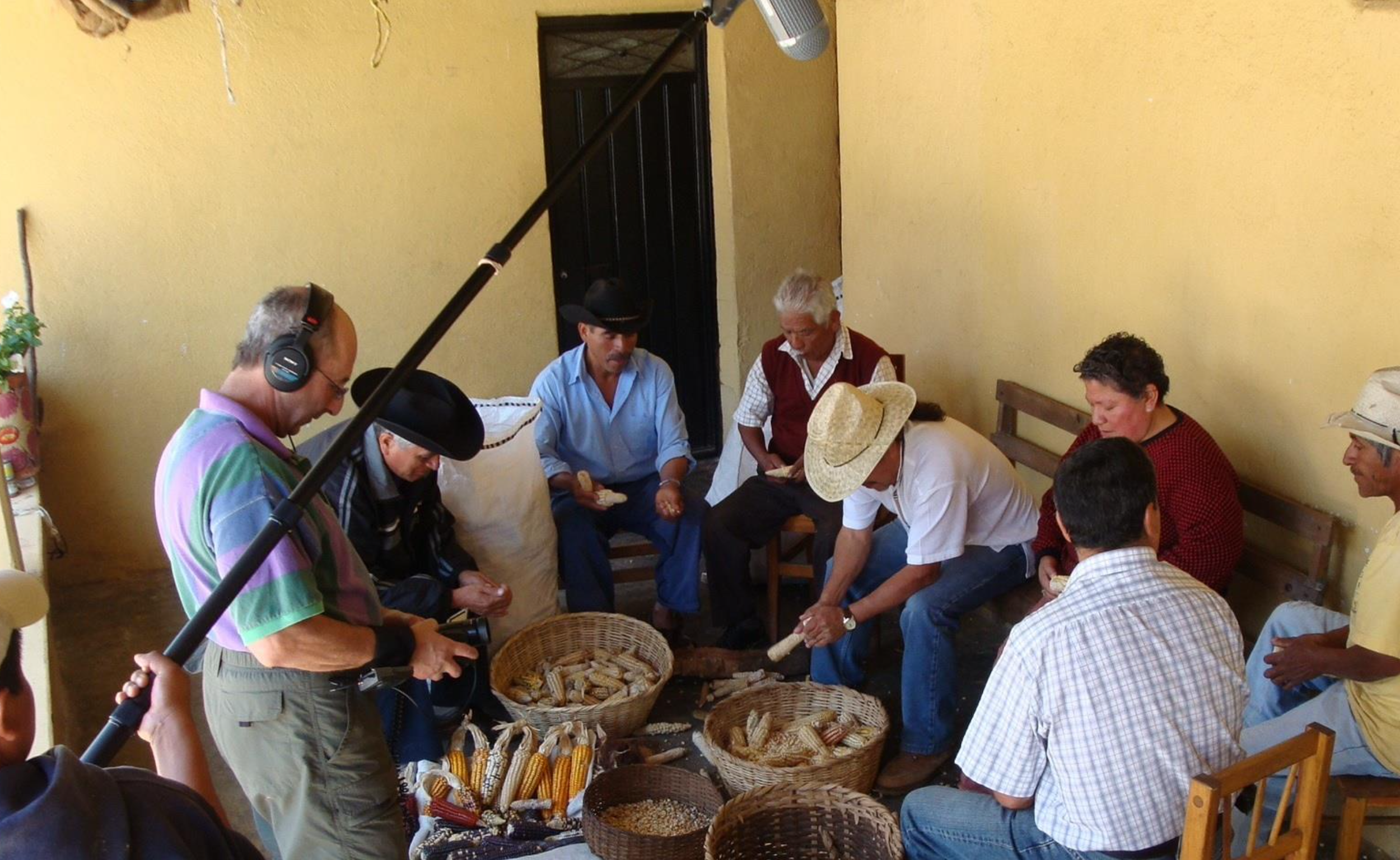
-filming facilitated natural group conversation and activity
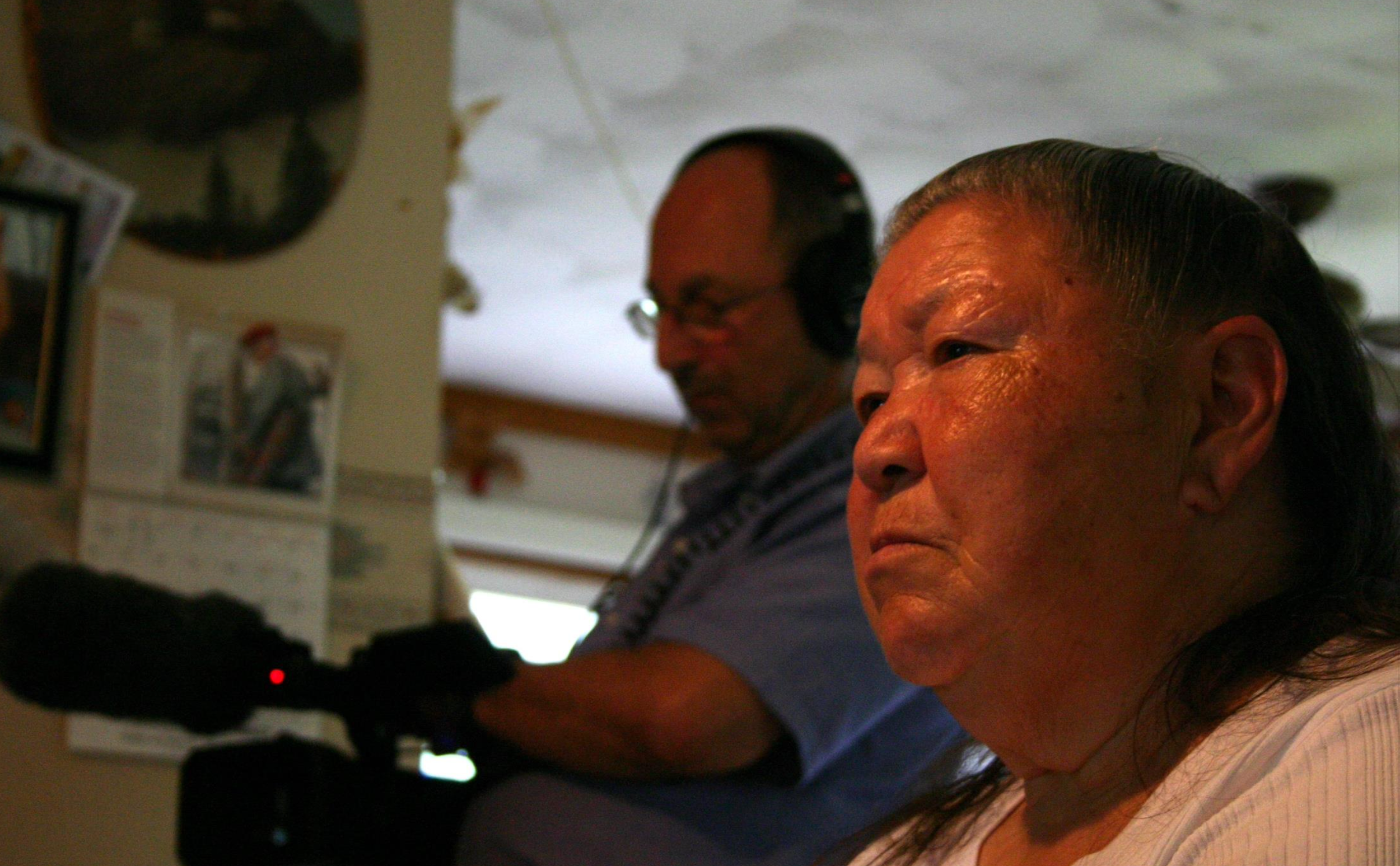
-video feedback
-community self documentation
-Fluent Comprehender focus
-interactive internet access connectivity of the documentation
-immersion language learning programs
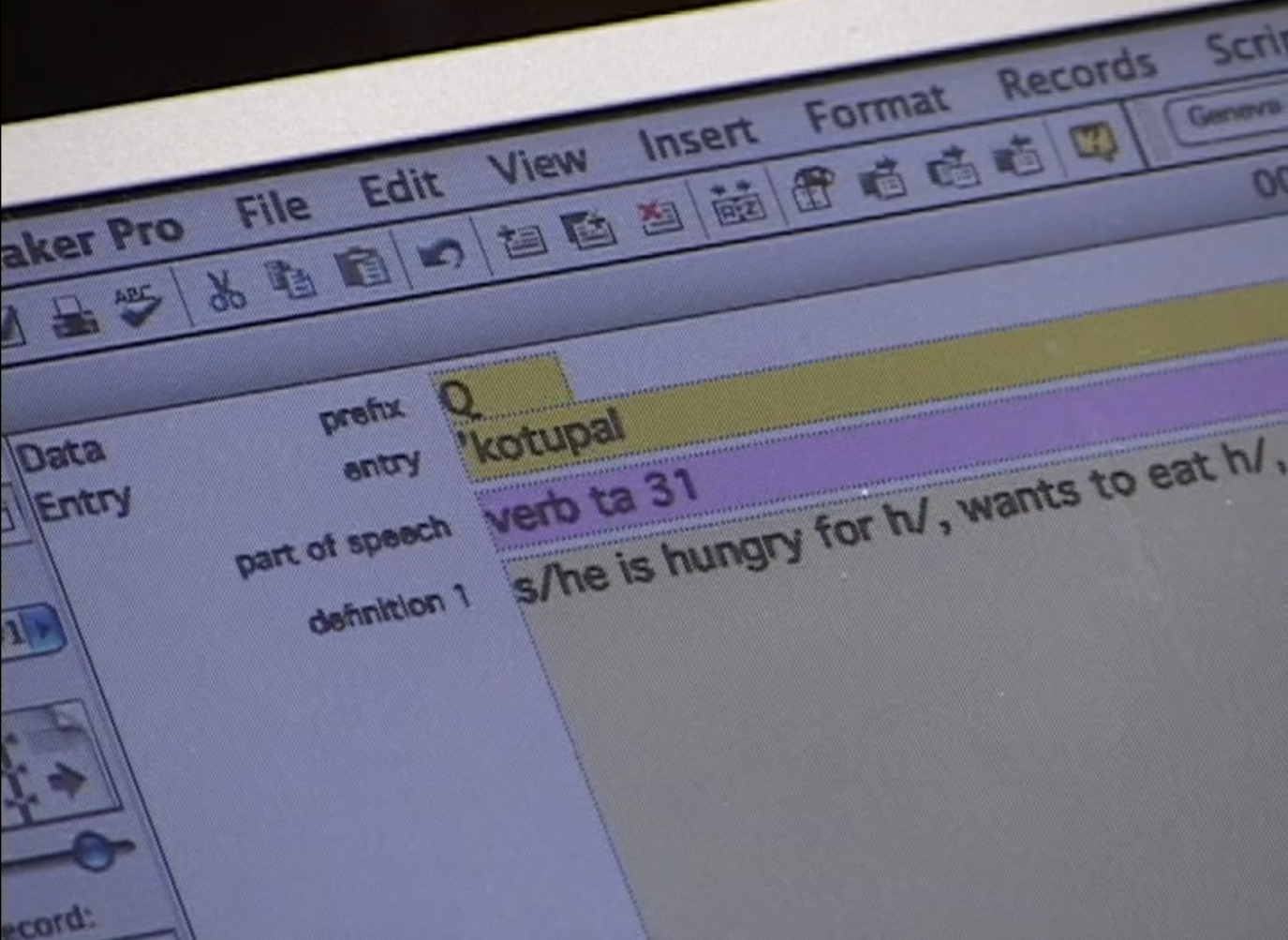
Today, we’ve been exploring language documentation with smartphones and are developing a language portal for archiving and sharing these materials. This and community radio are part of our strategy for reaching those living in diaspora communities.
Documentation and feedback, working with story help make the language visible again in the community. It changes the cultural atmosphere in the community identifying and adding to existing resilience. It builds an understanding of the emotional history of the people so individuals appreciate more deeply the origin of feelings of shame and inferiority imposed on them by colonizers. These feelings interfere with language transmission but they can be transformed through documentation, feedback, and story. All these lead to leadership emergence and creative action coming from the community, led by the community. It’s a bottom up approach.
-
We have worked with French Canadian immigrant communities, the Passamaquoddy tribe, the Mixe, Ayüük speaking people of the Sierra Mixe, Oaxaca state, and trained people in our methods from twenty other communities throughout Oaxaca in our institute: TAVICO (Taller de Video Comunitario de Oaxaca
We’ve worked with or exchanged ideas with community leaders and language advocates from the Wampanoag, Narragansett, Ojibwe, Mi’kmaq, Zapotec, Mixtec, Mayan, Nahuatl, and many other communities. We’ve presented at many conferences and taught by invitation at the National Science Foundation, Division of Endangered Languages (DEL)CoLang Summer Intensive in 2016 and 2018. Our peer reviewed articles appear in books on best practices.
Although our work is accepted by the academic world, we maintain our position as an independent, research and evidence driven, media based, activist approach to reviving language and cultural loss.