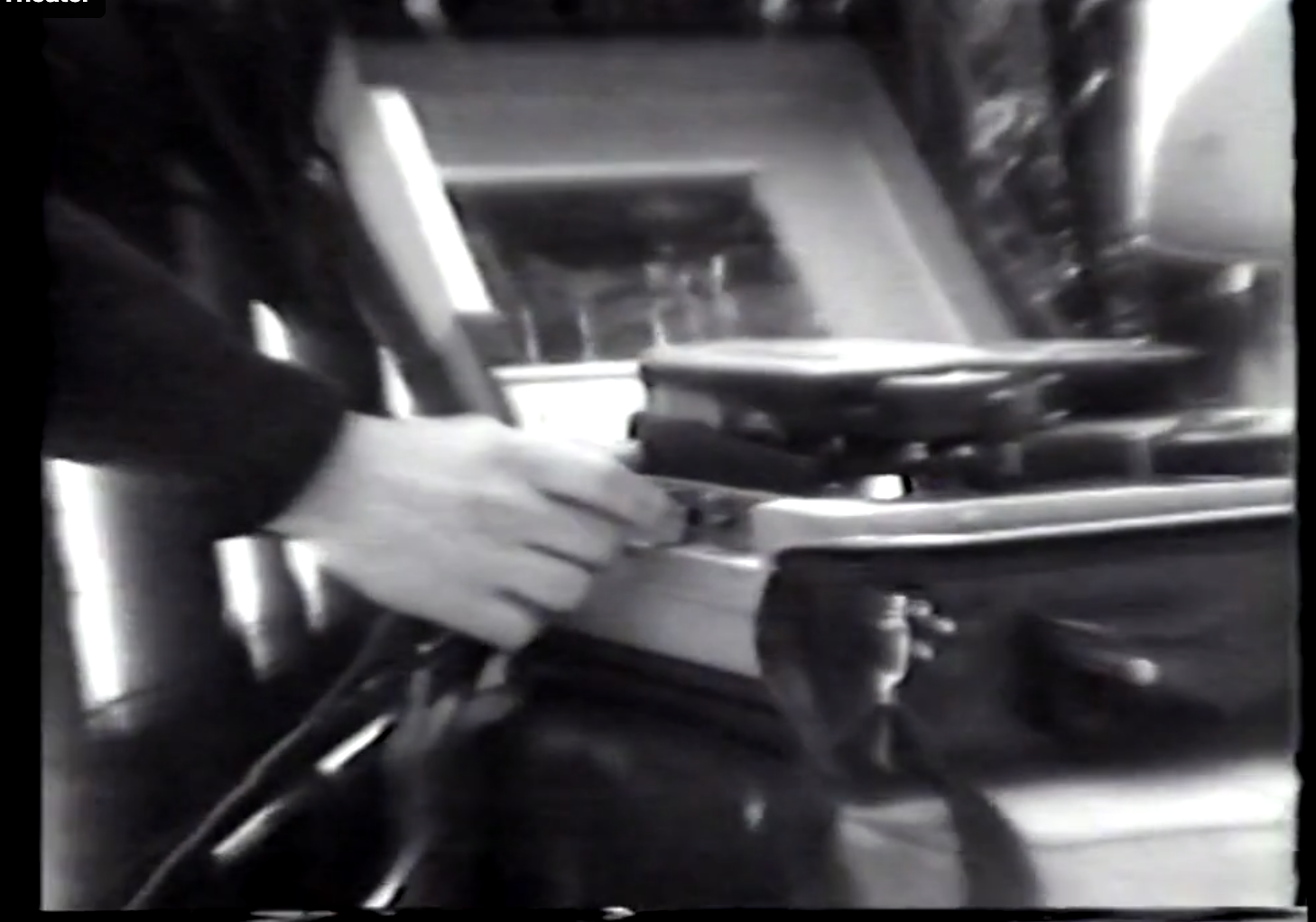
Early video tape recorder
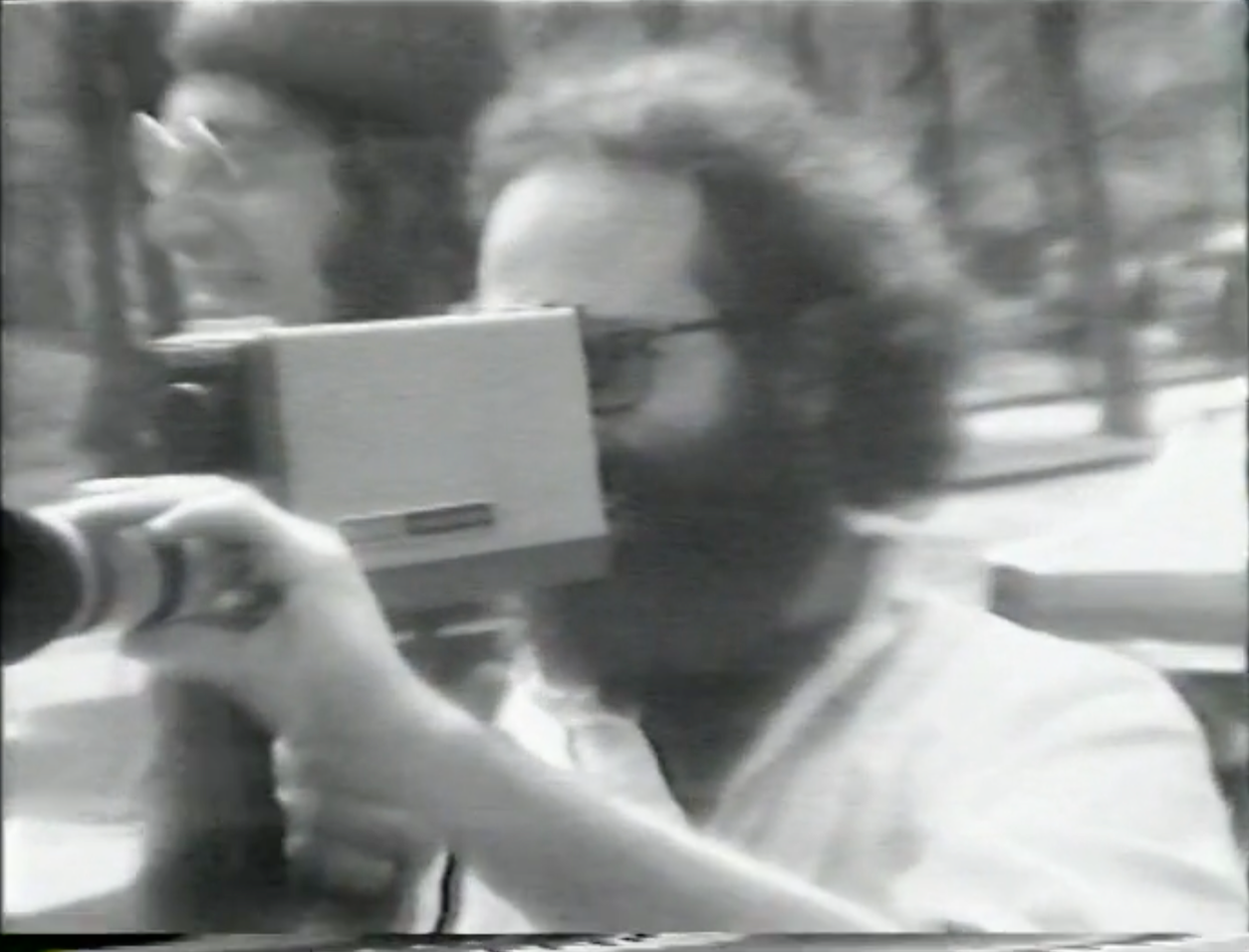
Howard Gutstadt, Ben Levine, co-directors Peoples Video Theater (PVT)
ORIGINS
And Early Video Work
-
I was trained as a clinical psychologist and worked in institutions for disabled adolescents and with Viet Nam era heroin addicts. In both cases I found that people suffering from trauma and depression responded quite positively when they had the opportunity to participate in and later see photos and videos of themselves. Because it wasn’t possible to experiment further in an institutional setting.
Read on below.
-
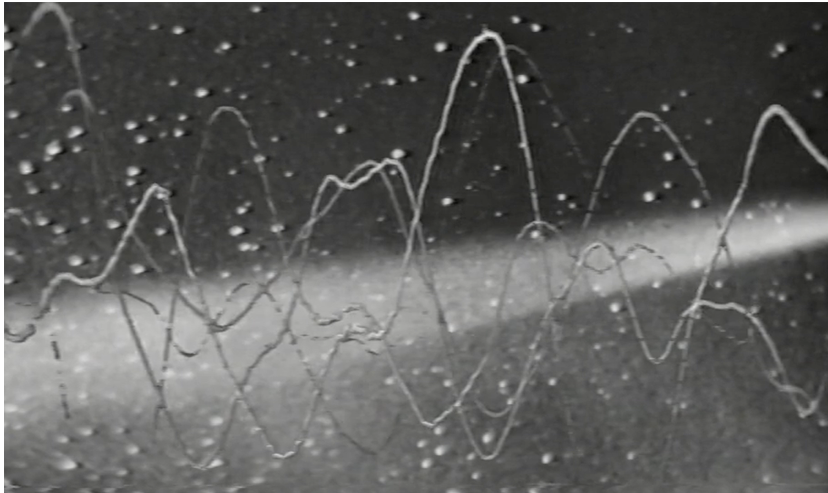
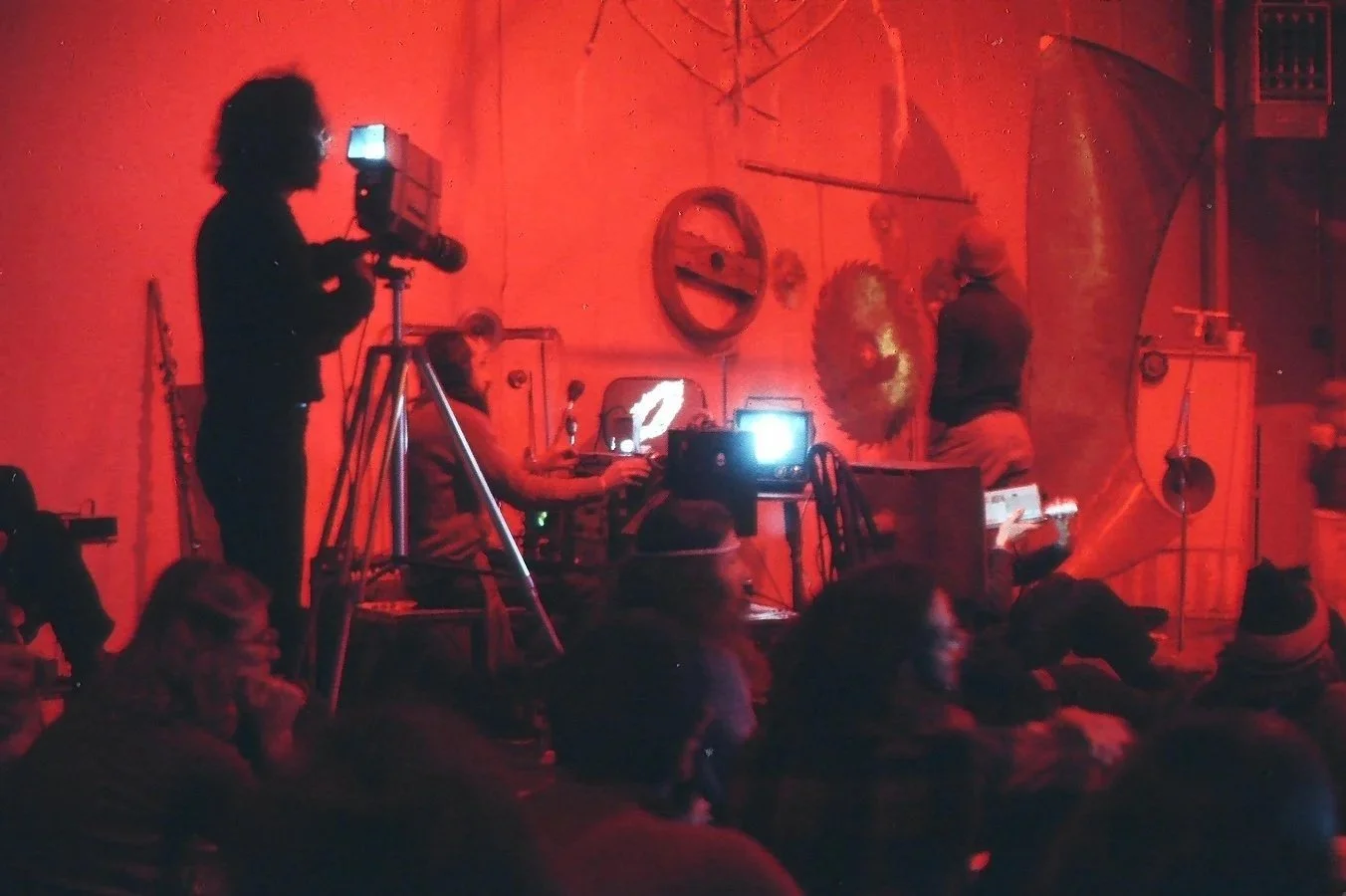
I joined Peoples Video Theater as a Co-Director in 1971, where I found the freedom to explore the use of video for social change. On the streets of New York City we developed a welcoming, natural and immersive style of shooting, working in the context of an Early Video Movement to explore uses and possibilities of the then new technology of video. One use that became evident immediately was the revolutionary ability to play a video during and immediately after recording. When strategized for building awareness, we called this process video feedback. Why is it important that we discovered so many ways to employ Video Feedback as a core methodology? What distinguished our work was skillfully facilitated playback (live or edited) to participants.
-
When you record the subsequent response and show that back, you can catalyze verbal and emotional expression that is transformative. In the documentary Crip Camp Directed by Nicole Newnham and James LeBrecht which used our PVT footage extensively, you can see how this process motivated a group of young people to become the leaders of the Disability Rights Movement. The film was nominated for an Academy Award. It was selected Best Documentary of 2020 and has been on Netflix for five years. It’s an important part of an impact campaign active in many countries.
-
Peoples Video Theater work was presented and performed live at our lofts on 6th Ave and in Soho and screened at installations and on cable and broadcast media during the period the collectives were active between the years 1970 and 1976.
Screenings also occurred on:
PBS, NYS BOCES broadcast, cable Public Access Television in Manhattan, on European and Canadian television, and in museum and art venues, including the Museum of Modern Art Video Pioneers series, Boston Museum of Contemporary Art, Boston Museum of Fine Arts, Lincoln Center, Damrosch Park Bandshell, Syracuse University, Baltimore Theater Project, Maine Public Broadcasting, The Kitchen, the World Trade Center, NYU, Mass College of Art, SUNY Buffalo, Rhode Island School of Design, Fredonia State University, Jamestown Community College, Global Village, Video Free America, (The Videofreex), Lanesville TV and the Strasenburgh and Hayden Planetariums in Rochester and Boston, respectively, Portable Channel, the Visual Studies Workshop, The Experimental Television center in Binghampton, NY, the New York City Public Library, and the Chautauqua Institute.
The PVT archive is held at the New York University Fales Library Special Collections and is available for educational only uses. It is also at the Media Burn Archive where material is available for liscencing for any use.
-
For educational and research viewing, see New York University, Fales Library Special Collections.
For licensing inquiries, contact Media Burn, attention: Adam Hart.